Irritable bowel syndrome, commonly called IBS, is one of the most common explanations given for ongoing digestive symptoms. Abdominal pain, bloating, diarrhoea, constipation, alternating bowel habits, mucus in the stool and the uncomfortable feeling that the bowel has not completely emptied can all occur in IBS. But an important question is sometimes overlooked: what if symptoms labelled as IBS are actually being caused, triggered or prolonged by an intestinal parasite?
This does not mean that every person with IBS has parasites. IBS is a genuine condition with multiple possible contributing factors. However, parasitic infections can produce symptoms that overlap significantly with IBS, and some gastrointestinal infections can also be followed by long-term changes consistent with post-infectious IBS. This is why persistent digestive symptoms should not automatically be dismissed without considering whether an infection or another identifiable cause may be involved.
IBS IS A SYNDROME, NOT A SINGLE CAUSE: IBS is diagnosed according to a pattern of symptoms rather than through one definitive laboratory test. It generally involves recurrent abdominal pain associated with changes in bowel movements, including diarrhoea, constipation or both. Because several other gastrointestinal conditions can produce similar symptoms, appropriate evaluation is important. Depending on a person's symptoms and history, healthcare professionals may use blood tests, stool tests and other investigations to look for conditions that can resemble IBS.
This is where parasites deserve consideration. A diagnosis of IBS should not automatically end the investigation when symptoms continue, particularly when there is persistent diarrhoea, a relevant travel history, exposure to untreated water, foodborne illness or other circumstances that could increase the possibility of infection.
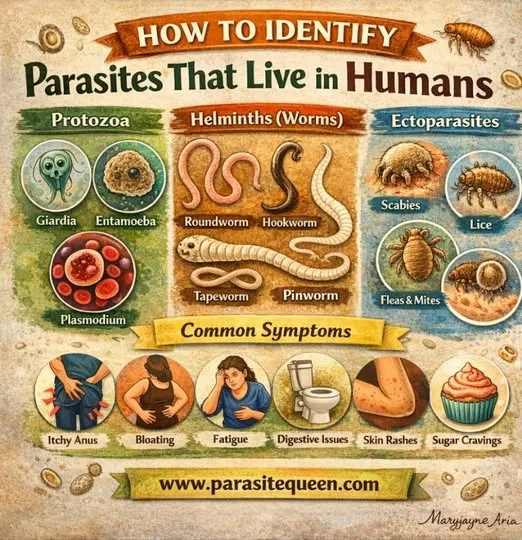
PARASITES CAN MIMIC IBS SYMPTOMS: Several intestinal parasites can cause symptoms that overlap with those commonly associated with IBS. Depending on the organism and the individual, parasitic gastrointestinal infections may cause abdominal pain, cramping, persistent or recurrent diarrhoea, bloating, excessive gas, nausea, changes in appetite, malabsorption, fatigue associated with prolonged gastrointestinal illness, weight loss in some cases and unpredictable changes in bowel habits.
One important example is Giardia. Giardiasis can cause diarrhoea, abdominal discomfort, bloating, gas, nausea and, in some cases, prolonged symptoms associated with malabsorption. Another organism that can cause significant gastrointestinal illness is Cryptosporidium. The symptoms caused by these infections can overlap with symptoms that many people associate with IBS, particularly when digestive problems become persistent or recurrent.
The similarity of symptoms is precisely why persistent digestive complaints should not always be assumed to be purely functional without considering whether an infection or another identifiable condition could be involved.
GIARDIA DESERVES PARTICULAR ATTENTION: Giardia is an important parasite to consider in people experiencing persistent diarrhoea and gastrointestinal symptoms. Infection can occur through contaminated water, contaminated food or exposure to infected people or animals. Risk may be increased by situations such as travel, camping, drinking untreated water or exposure to environments where gastrointestinal infections are more easily transmitted.
A person may therefore receive an IBS diagnosis while an important exposure history has not been fully explored or while appropriate parasite testing has not yet been performed. This does not mean that Giardia is the hidden cause of every IBS diagnosis. It means that exposure history, symptoms and appropriate testing should all be considered.
ONE STOOL SAMPLE MAY NOT ALWAYS BE ENOUGH: A negative stool test does not always have the same meaning in every situation. Some parasites may not be detected in every stool specimen because shedding can vary. This means that a single sample may not always detect an infection when a parasite is present.
Depending on the suspected organism and the testing method used, multiple stool samples collected over several days may sometimes improve the opportunity for detection. Different laboratory methods may also be used, including microscopic examination, antigen detection and molecular methods such as PCR.
The most appropriate testing strategy depends on the suspected organism, symptoms, travel history, exposure history, immune status and the testing capabilities of the laboratory. This is one reason why it can be useful for people with persistent unexplained gastrointestinal symptoms to discuss exactly what tests were performed rather than simply being told that they had a general stool test.
POST-INFECTIOUS IBS COMPLICATES THE PICTURE: Another important issue is that an infection does not necessarily have to remain active for gastrointestinal symptoms to continue. Some people develop persistent bowel symptoms after an episode of gastrointestinal infection, a condition often referred to as post-infectious IBS.
This creates an important distinction. An active parasitic infection and post-infectious IBS are not the same thing. A parasite may still be present and contributing to ongoing symptoms, or an infection may have resolved while changes in gut function continue afterwards. Proper evaluation and appropriate testing are needed to distinguish between these possibilities.
This distinction matters because assuming that all persistent symptoms after an infection are simply IBS could potentially overlook an ongoing infection, while assuming that every persistent symptom represents an active parasite could also lead to incorrect conclusions. Investigation should be based on evidence, symptoms and individual risk factors.
WHEN SHOULD PARASITES BE CONSIDERED?: Parasitic testing may be worth discussing with a qualified healthcare professional when digestive symptoms are persistent and there is a relevant history, including:
• Recent or previous travel
• Drinking untreated or questionable water
• Camping or wilderness water exposure
• Exposure to potentially contaminated food or water
• Household outbreaks of gastrointestinal illness
• Exposure to environments where gastrointestinal infections are common
• Persistent or recurrent diarrhoea
• Symptoms beginning after a gastrointestinal infection
• Recurrent digestive symptoms that remain unexplained
• Previous testing that was limited or incomplete
When parasites are suspected, the type of test and number of samples required may depend on the suspected organism. In some situations, serial stool samples collected over several days may be appropriate.
IBS SHOULD NOT MEAN "STOP LOOKING": A diagnosis of IBS can be helpful and appropriate for many people. However, persistent symptoms deserve careful evaluation, particularly when there are warning signs, significant changes in symptoms or a relevant exposure history.
Symptoms such as unexplained weight loss, rectal bleeding, bloody or black stools, persistent fever or signs of anaemia should not simply be assumed to be IBS and may require further medical investigation. Persistent or worsening symptoms should always be discussed with an appropriately qualified healthcare professional.
The most important message is not that everyone with IBS has parasites. They do not. The message is that parasites can cause gastrointestinal symptoms that overlap with IBS, and appropriate testing should be considered when a person's symptoms and history make parasitic infection plausible.
QUESTIONS WORTH ASKING: If you have been diagnosed with IBS and continue to struggle with unexplained digestive symptoms, you may wish to discuss the following questions with your healthcare professional:
• Were my symptoms investigated for infectious causes when appropriate?
• Have I had relevant parasite testing?
• Was more than one stool sample collected when repeated testing was indicated?
• Was Giardia specifically considered or tested for?
• Do my travel, water, food or exposure history suggest that further investigation is appropriate?
• Could my symptoms represent post-infectious IBS following a previous gastrointestinal infection?
• Are there warning signs suggesting that another gastrointestinal condition should be investigated?
THE BOTTOM LINE: IBS is real, complex and influenced by many factors. However, the overlap between IBS symptoms and parasitic gastrointestinal disease is an important reminder that a diagnostic label should not replace appropriate investigation.
A person with bloating, abdominal pain and altered bowel habits may have IBS. Another person with exactly the same symptoms may have an infection, inflammatory disease, a food-related disorder, post-infectious changes or another identifiable condition. Symptoms alone do not always reveal the cause.
If your IBS symptoms remain unexplained, persistent or began after a relevant exposure or gastrointestinal illness, asking whether appropriate parasite testing has been considered may be a reasonable and important conversation to have with your healthcare professional.
Knowledge leads to better questions. Better questions can lead to more appropriate testing. And appropriate testing can sometimes lead to answers that have been missed for far too long.
Please share this information without making any changes to help increase awareness of the importance of proper diagnosis for suspected parasitic infections.