The Do's and Don'ts of Parasites in Humans and Household Pets
A forthcoming book by Maryjayne Aria — an extensive and practical educational work on parasite transmission, environmental exposure, terrain vulnerability, prevention strategies, and the relationship between parasitic burden and immune suppression.
The Do's and Don'ts of Parasites in Humans and Household Pets
by Maryjayne Aria
[Upload: /img/book-cover-parasites.webp]
About This Book
The Do's and Don'ts of Parasites in Humans and Household Pets is an extensive forthcoming book by Maryjayne Aria, expanding upon years of dedicated parasite education and research. The book addresses one of the most consistently underestimated subjects in immune health: the chronic presence of parasites in human bodies and household environments, and the far-reaching consequences for immune function, terrain stability, and long-term wellbeing.
The book examines parasite transmission, environmental and household exposure, the vulnerability of immune terrain to parasitic burden, practical prevention strategies, and the interaction between parasitic infection and the immune system. It is structured to be both scientifically grounded and practically accessible — giving readers the understanding needed to recognise, assess, and respond to parasitic risk in their own lives and environments.
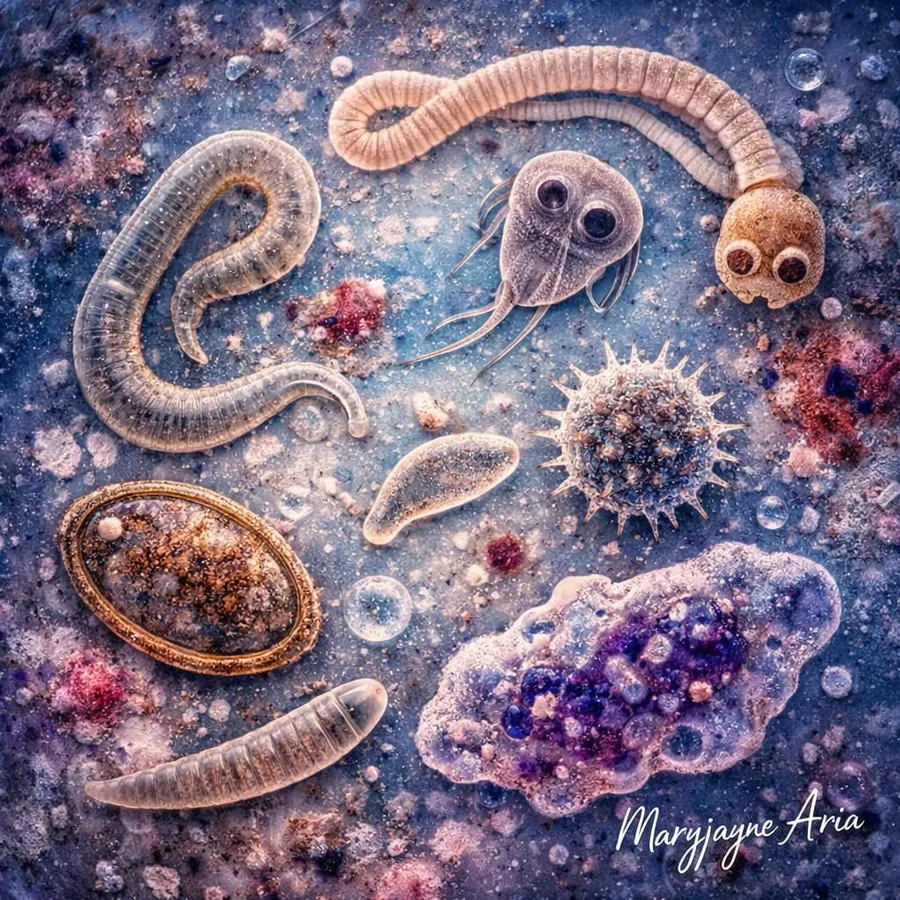
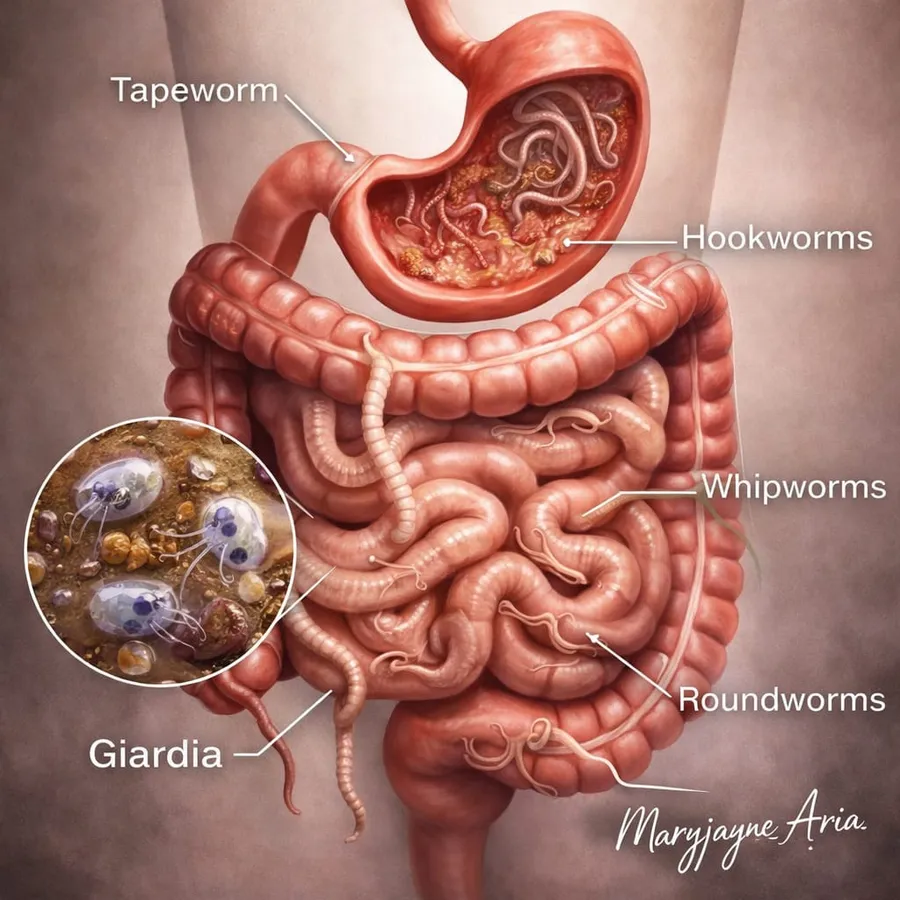
"One of the most overlooked aspects of immune health — the work expands upon years of parasite education and research, providing structured and practical insight into parasites in humans and household pets."
This book is the natural companion to Maryjayne Aria's published work Immune Health, Terrain and GcMAF, which covers parasite burden as one element within a broader terrain science framework. Where that book builds the conceptual and scientific foundation, The Do's and Don'ts of Parasites goes deeper into the specific practicalities, mechanisms, and guidance that parasite education demands.
Scope of Research
Drawing on Maryjayne Aria's extensive parasite education work, this book covers a wide range of interconnected topics across parasitology, immune science, and practical prevention.
Connection to Immune Terrain
A core premise of this book is that parasitic burden is not a standalone health concern — it is a terrain issue. Chronic parasitic presence disrupts the same biological systems that determine immune resilience: gut barrier integrity, nutrient status, inflammatory regulation, and macrophage activity. Understanding parasites therefore requires understanding the terrain in which they operate.
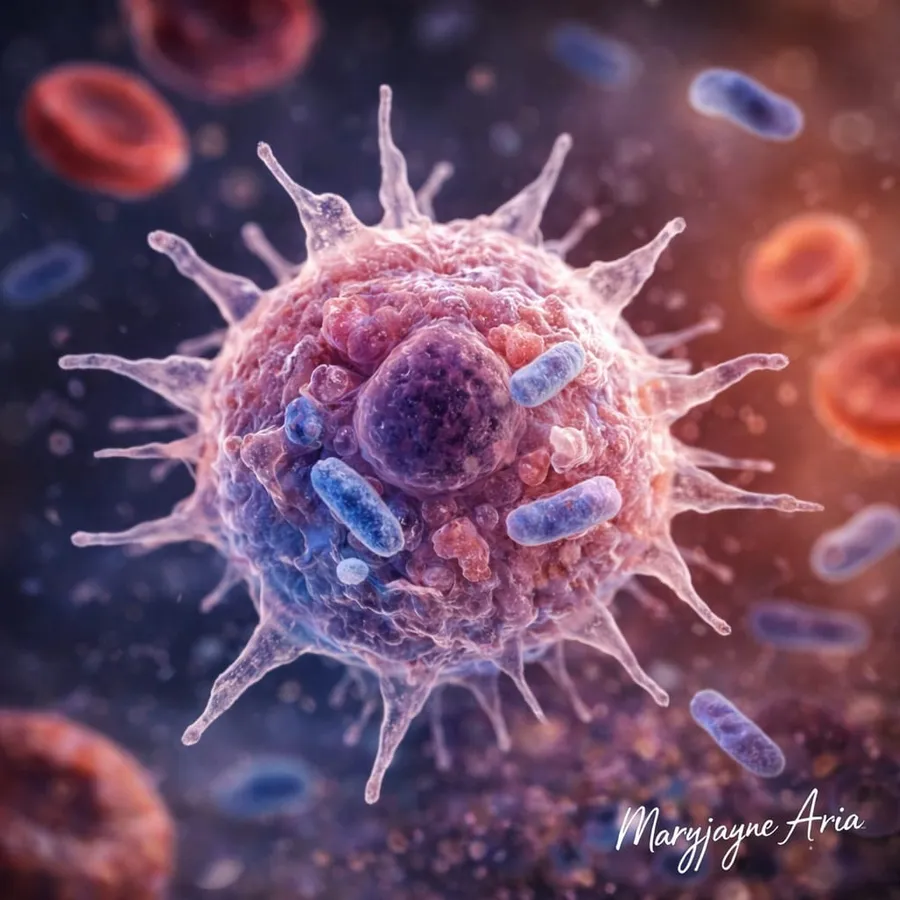
Maryjayne Aria's research philosophy treats parasite education as an integral part of immune terrain science — not a separate subject. The same factors that allow parasites to take hold and persist are the factors that suppress GcMAF production, elevate Nagalase activity, and reduce the body's capacity for immune self-regulation. Addressing parasitic burden is therefore not only a matter of clearance — it is an act of terrain restoration.
This terrain-integrated approach distinguishes Maryjayne Aria's parasite education work from conventional parasite resources, which often treat infection as an isolated event rather than a systemic terrain signal. This book applies the same rigorous terrain lens to parasites that Immune Health, Terrain and GcMAF applies to immune modulation as a whole.
The research philosophy underpinning this approach is explored in full on the Research Philosophy page. For current parasite education content, visit parasitequeen.com.
Current Parasite Education Resource
While this book is in progress, Maryjayne Aria's parasite education research is available now at parasitequeen.com — a dedicated resource covering parasites in humans and household environments.
Stay Updated on Publication
Follow Maryjayne Aria on social media to be notified when The Do's and Don'ts of Parasites in Humans and Household Pets is available.

Maryjayne Aria
Maryjayne Aria is an author and educational specialist with more than 20 years of dedicated research in immune terrain science, GcMAF, Nagalase, macrophage activation, and parasite education. Her parasite research spans transmission pathways, terrain susceptibility, immune resilience, and household environmental health — the foundations of this forthcoming book.
Maryjayne Aria is also the author of the published work Immune Health, Terrain and GcMAF — a 700+ page reference work on immune modulation, macrophage activation, and terrain-based health science. Her parasite education research is published at parasitequeen.com.
Full Biography