STRONGYLOIDES STERCORALIS: Strongyloides stercoralis is a microscopic parasitic roundworm that deserves far more attention than it receives. Unlike many intestinal parasites, Strongyloides has a remarkable autoinfection cycle that can allow an infection acquired years or even decades earlier to persist within the same person. Some people have few or no obvious symptoms, while others experience gastrointestinal complaints, skin symptoms, respiratory symptoms or unexplained eosinophilia. The infection becomes particularly concerning when immune function is significantly suppressed because the parasite can multiply rapidly and develop into hyperinfection or disseminated disease, which can be life-threatening.
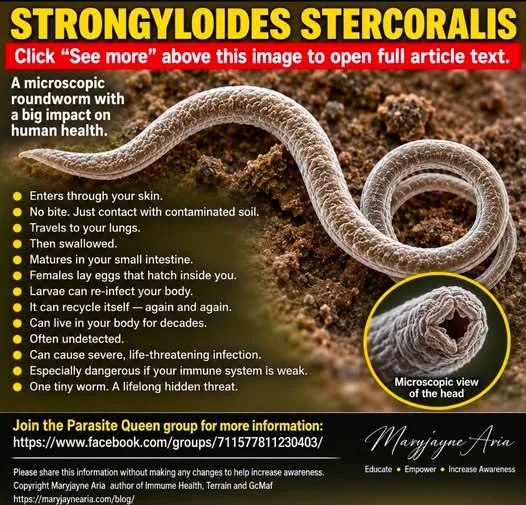
HOW DOES STRONGYLOIDES ENTER THE BODY? Strongyloides larvae can live in contaminated soil and infect humans when the microscopic larvae penetrate the skin, commonly through bare feet or direct contact with contaminated soil. After entering the body, they migrate through the circulation to the lungs, enter the airways and travel upward toward the throat, where they are swallowed. They eventually reach the small intestine, where adult female worms produce larvae. Some larvae leave the body through the stool, while others can penetrate the intestinal wall or the skin around the anus and begin another cycle within the same host. This process is known as autoinfection and is one of the characteristics that makes Strongyloides unusual among intestinal parasites.
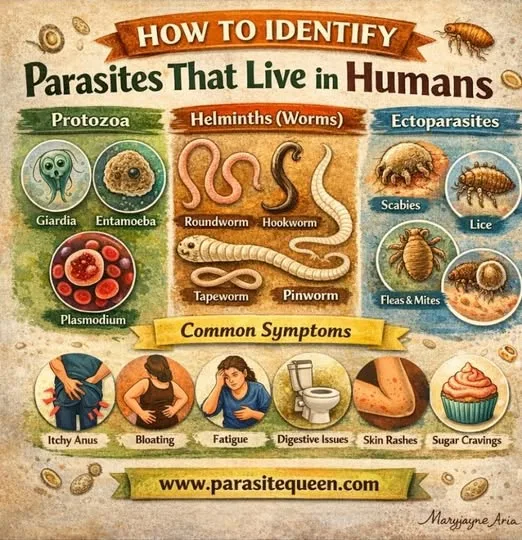
WHY CAN IT REMAIN HIDDEN? Chronic Strongyloides infection can be surprisingly difficult to recognise because symptoms may be mild, intermittent or completely absent. Possible symptoms include abdominal discomfort, diarrhoea, constipation, bloating, nausea, heartburn, skin rashes and respiratory symptoms such as coughing. Eosinophilia, meaning an increased number of eosinophils in the blood, can provide an important clue, although it is not present in every infected person. Because symptoms can resemble numerous other gastrointestinal, respiratory or dermatological problems, infection may remain undiagnosed for years.
THE AUTOINFECTION CYCLE: One of the most important things to understand about Strongyloides is that the parasite does not necessarily need to leave the body in order to continue its life cycle. Some larvae can transform into an infective stage while still inside the host and penetrate intestinal or perianal tissue. They can then migrate through the body and eventually return to the intestine. This internal recycling is called autoinfection and helps explain how Strongyloides infection can persist for decades without a new exposure from outside the body.
WHEN STRONGYLOIDES BECOMES DANGEROUS: The greatest concern is immunosuppression. Corticosteroid treatment is a particularly important risk factor, while other conditions associated with severe disease include HTLV-1 infection, certain malignancies and transplantation. When immune control is impaired, the normal parasite life cycle can accelerate, resulting in hyperinfection syndrome or disseminated strongyloidiasis. Larvae can then spread beyond the gastrointestinal and pulmonary systems, potentially causing severe bacterial infections and organ damage. The CDC reports that mortality in severe untreated disease can be extremely high.
TESTING MATTERS: Because Strongyloides larvae may be shed intermittently, one ordinary stool examination does not necessarily exclude infection. Diagnostic approaches can include stool examination, specialised concentration techniques, molecular testing where available and Strongyloides antibody testing. Serial stool examinations may be necessary when suspicion remains high. Testing is particularly important for people with previous exposure in endemic areas who are about to receive significant immunosuppressive treatment.
THE PHARMACEUTICAL APPROACH: For confirmed uncomplicated strongyloidiasis, ivermectin is generally regarded as the first-line pharmaceutical treatment. Current guidance lists oral ivermectin at 200 micrograms per kilogram for 1 to 2 days, while albendazole is listed as an alternative.
FOLLOW-UP AFTER TREATMENT: Treatment should not necessarily be considered the end of the process. In people who continue to have positive stool examinations, guidance recommends follow-up stool testing 2 weeks after treatment and retreatment if larvae remain detectable. This is particularly relevant because of the unusual biology and autoinfective capacity of Strongyloides.
SEVERE INFECTION REQUIRES URGENT MEDICAL CARE: Hyperinfection and disseminated strongyloidiasis are medical emergencies and should not be managed as an ordinary home parasite cleanse. In severe cases, ivermectin is administered daily until parasitological clearance is demonstrated, together with treatment of complications and management of the underlying immunosuppression where possible.
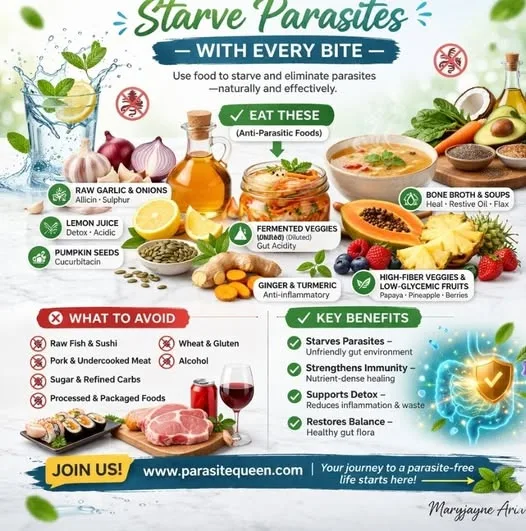
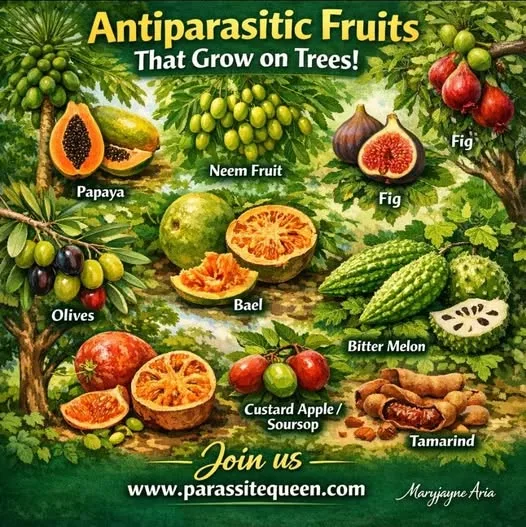
A NATURAL APPROACH SOME PEOPLE CHOOSE: Some people choose a natural parasite-support approach based on herbs, foods, nutrition, intestinal support and measures intended to support elimination. A natural programme may incorporate ingredients traditionally used in parasite protocols, including garlic, cloves, neem, thyme, oregano, turmeric, ginger, pumpkin seeds and papaya seeds. Research into plant compounds has identified various phytochemicals with antiparasitic or nematocidal activity in laboratory and experimental settings, which is one reason natural approaches continue to attract interest.
HERBAL AND FOOD-BASED SUPPORT: Behind a natural parasite programme is generally broader than simply trying to kill the organism. Different herbs and foods may be selected for their traditional antiparasitic properties, digestive support, nutritional value and ability to form part of a wider intestinal health programme. Some people rotate herbs rather than relying on a single substance, while also focusing on a nutrient-dense diet, adequate hydration and regular bowel movements. The intention is to support the body's overall terrain while addressing the parasite through multiple complementary measures.
THE ROLE OF NATURAL BINDERS: Binders are sometimes included as another component of a natural parasite protocol, but their purpose is different from that of an antiparasitic herb. A binder is not intended to kill Strongyloides. Instead, substances such as activated charcoal, certain clays and zeolite are used because they can adsorb selected substances within the gastrointestinal tract. The theory behind their use during a parasite programme is that they may help capture unwanted compounds or intestinal debris and carry them through the digestive tract for elimination.
ACTIVATED CHARCOAL: Activated charcoal has an extremely porous structure that gives it a large surface area capable of adsorbing many substances within the gastrointestinal tract. For this reason, some natural protocols use charcoal during periods when unwanted intestinal material is being eliminated. It is important, however, to remember that charcoal is not selective. It can also adsorb medications, supplements and nutrients, so it should not be taken indiscriminately alongside important oral medicines.
ZEOLITE AND CLAY: Zeolite and certain internally consumed clays are also used in some natural cleansing protocols because their mineral structures can adsorb selected substances within the gastrointestinal tract. Their proposed role is physical binding rather than directly attacking or killing the worm. Product purity is important because mineral products intended for internal use can vary considerably in quality and may contain unwanted contaminants if they are not appropriately manufactured and tested.
WHY USE BINDERS: The distinction between an antiparasitic and a binder is important. The antiparasitic component is intended to act against the parasite itself, whereas the binder remains within the gastrointestinal tract and is intended to adsorb selected substances. For this reason, people following natural protocols may separate their binder from herbs, supplements and medications rather than taking everything simultaneously. The goal is to avoid having the binder interfere with substances that need to be absorbed.
SUPPORTING ELIMINATION: A natural parasite programme may therefore place considerable emphasis on the body's elimination pathways. Adequate fluid intake, sufficient dietary fibre, regular bowel movements and appropriate nutrition are often included because intestinal material needs to move out of the body efficiently. A binder cannot compensate for severe constipation or poor hydration, and more binder is not necessarily better. The overall objective is to support normal gastrointestinal elimination rather than simply accumulating substances inside the digestive tract.
NATURAL DOES NOT HAVE TO MEAN ONE SINGLE REMEDY: One of the biggest misconceptions surrounding natural parasite protocols is the idea that there must be one magical herb or ingredient capable of doing everything. A more structured approach looks at the entire process: exposure, parasite life cycle, intestinal environment, nutrition, elimination and follow-up testing. Herbs, foods and binders each have different proposed roles, and understanding those roles is more useful than treating every natural substance as though it performs the same function.
THE IMPORTANT DISTINCTION WITH STRONGYLOIDES: Strongyloides is not an ordinary intestinal worm that can simply be assumed to disappear after a generic cleanse. Its ability to autoinfect the host makes persistent infection possible, and its potential to become dangerous during immunosuppression means that confirmed infection deserves particular attention. A person who has Strongyloides and is considering corticosteroids or another immunosuppressive treatment should make sure the infection is properly evaluated and treated.
PREVENTION STARTS WITH THE SOIL: Prevention remains extremely important. Wearing shoes when walking on potentially contaminated soil reduces the opportunity for larvae to penetrate the skin. Good sanitation, appropriate sewage disposal and avoiding contact with contaminated human waste are also fundamental measures for reducing transmission.
THE BIGGER PICTURE: Strongyloides stercoralis is a fascinating example of how a microscopic organism can establish a remarkably persistent relationship with its host. Its ability to reproduce within the human body and maintain an autoinfection cycle means that an exposure that happened many years ago can remain relevant today. Understanding the life cycle, recognising potential symptoms, testing appropriately and knowing the difference between pharmaceutical treatment, natural antiparasitic support and binders gives us a much clearer picture of how this parasite can be approached.
Strongyloides may be microscopic, but its ability to hide, reproduce and recycle itself inside the human host makes it a parasite that should never be underestimated.
Please share this information without making any changes to help increase awareness Copyright Maryjayne Aria author of Immume Health, Terrain and GcMaf