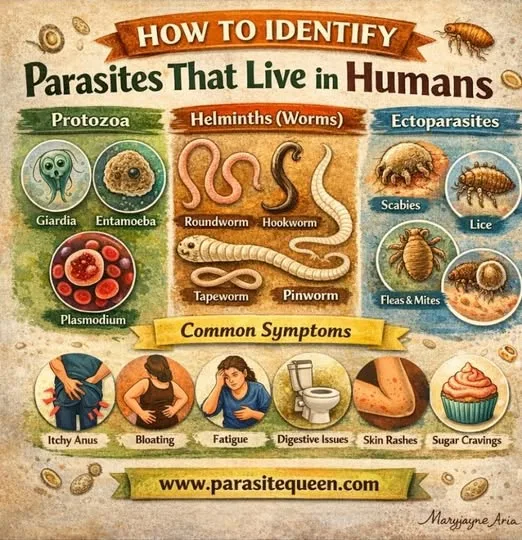
Pinworms are commonly thought to live only in the lower intestine, yet their behavior shows how easily they can spread beyond this area. At night, the female lays eggs around the anus, leading to itching and transfer onto hands, bedding, and clothing. From there, the cycle continues through touch. When eggs are carried to the face through normal habits like nose rubbing or unconscious movement during sleep, they can enter the nasal passages. While they do not colonize the nose long term, their presence can cause irritation, itching, and unusual sensations. This is often seen more in children, but adults experience it too, especially when the internal environment has been disrupted.
One of the key triggers for this shift is disruption of the gut, often following antibiotics or certain medications. These reduce beneficial bacteria that normally help regulate immune function and keep organisms like pinworms under control. With this balance altered, parasites face less resistance and reinfection becomes more frequent. Treatment must go beyond a single approach. Pharmaceutical options such as Mebendazole, Albendazole, or Pyrantel pamoate are commonly used, with doses repeated after two weeks to target newly hatched worms. Herbal support like wormwood, black walnut hull, clove, garlic, and pumpkin seeds can help create an environment less supportive to parasites. At the same time, strict hygiene is essential, including hand washing, daily bathing, cleaning bedding, and treating all household members together. When pinworms appear in unusual places, it is not random. It is a signal that the terrain has shifted and needs restoring to prevent ongoing cycles.
Written by Maryjayne Aria Author of Immune Health, Terrain & GcMAF
For more insights into how parasites impact health and what to do, visit www.parasitequeen.com
Join our health information group for more insights