For many people, the word parasite brings to mind something dramatic. Images of tropical diseases, rare infections, or extreme cases seen in documentaries. The truth is often very different. Parasites can exist quietly inside the human body for years without being recognised. In many cases, people live with them while believing their symptoms are caused by something entirely different.
Across the world, parasitic infections affect billions of people. Some are acquired through contaminated food, water, soil, animals, or insects. Others can enter through poorly washed produce, undercooked meat, seafood, or even through simple hand to mouth contact after touching contaminated surfaces.
What makes parasites particularly difficult to identify is that many infections do not produce obvious symptoms in the early stages. Instead, they create subtle changes in the body that can easily be mistaken for other health issues.
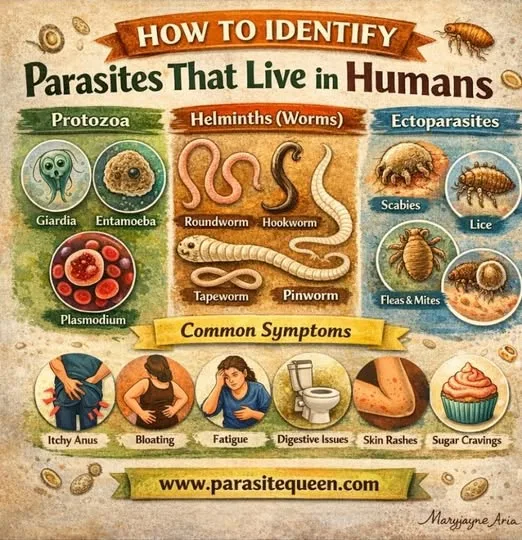
Many people experiencing parasites report symptoms such as:
Persistent fatigue
Digestive discomfort or bloating
Brain fog or difficulty concentrating
Skin irritation or unexplained rashes
Sugar cravings
Sleep disturbances
Unexplained weight changes
Joint or muscle aches
Anxiety or mood fluctuations
Because these symptoms overlap with many other conditions, parasites are often overlooked. Doctors may investigate diet, stress, hormones, or autoimmune issues long before considering the possibility of parasitic involvement.
Some parasites live within the intestines, feeding on nutrients from the food we eat. Others travel through tissues or organs during different stages of their life cycle. Some are microscopic, while others are large enough to be seen by the naked eye.
The human body has remarkable defense systems designed to control infections. The immune system constantly works to detect and respond to foreign organisms. However, certain parasites have evolved complex survival strategies that allow them to hide from immune detection or weaken immune responses over time.
In some cases, parasites release substances that suppress immune activity, allowing them to remain in the body longer. Others form protective structures that help them survive harsh conditions inside the digestive system.
Another factor that allows parasites to persist is the modern environment. Highly processed diets, stress, environmental toxins, and disruptions to gut microbiota may reduce the body's natural ability to defend itself against unwanted organisms.
Interestingly, parasites do not always appear as dramatic infections. Many individuals carry low level infections that remain hidden for long periods. These infections may slowly influence digestion, immune function, and overall vitality.
This is why awareness is important. Understanding the possibility of parasites encourages people to consider environmental exposures, hygiene habits, food safety, and overall immune health.
There are many types of parasites that can affect humans. Some of the most commonly encountered include roundworms, hookworms, pinworms, tapeworms, and microscopic protozoa such as Giardia or Blastocystis. Each has its own life cycle and mode of transmission.
Prevention often begins with simple steps:
Washing fresh produce thoroughly
Ensuring meats and seafood are properly cooked
Practicing good hand hygiene
Being cautious with untreated water sources
Maintaining strong digestive and immune health
For those exploring parasite education, it is also helpful to understand that different parasites require different approaches. Some infections are treated with specific medications, while others may require a combination of dietary changes, supportive nutrition, and targeted protocols.
Learning about parasites is not about fear. It is about understanding an important part of human health that has often been overlooked in modern discussions.
When people begin to explore the topic, they often realise how complex and fascinating the relationship between humans and microorganisms truly is. Our bodies are ecosystems, constantly interacting with bacteria, fungi, viruses, and sometimes parasites.
The more we understand this ecosystem, the better we can support balance within it.
If you would like to explore the subject further, there are hundreds of articles explaining different parasites, their life cycles, symptoms, and approaches to cleansing and recovery available at:
Written by Maryjayne Aria , author of the book Immune Health, Terrain & GcMAF.
FEEL FREE TO FOLLOW ME
SHARE FROM MY PERSONAL PAGE
SHARE THIS POST
GIVE IT A LIKE 
DROP ME A COMMENT BELOW