One of the most common questions I receive from people beginning a parasite cleanse is, "Why do I feel worse before I feel better?"
The answer may be something known as parasite die-off, often referred to as a Herxheimer-like reaction. While not everyone experiences it, some people notice temporary symptoms when large numbers of parasites, bacteria, or other microorganisms are killed faster than the body can comfortably process and eliminate their waste products.
Understanding what is happening can help you navigate this stage more comfortably.
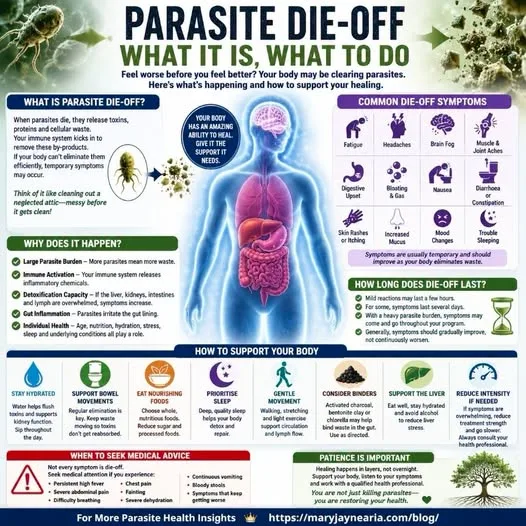
What Is Parasite Die-Off?
Parasites produce waste products throughout their lives. When they die, they can release additional proteins, toxins, and cellular debris into the digestive tract and bloodstream. At the same time, your immune system recognises these materials and begins clearing them away.
If the body cannot eliminate these substances efficiently through the liver, kidneys, intestines, skin, and lymphatic system, temporary symptoms may occur.
Think of it like cleaning out a neglected attic. Everything looks much messier before it becomes clean.
Common Symptoms:
Symptoms vary greatly between individuals. Some people experience very little, while others may notice:
• Fatigue or unusual tiredness
• Headaches
• Brain fog or difficulty concentrating
• Muscle aches and joint discomfort
• Mild feverish feelings
• Digestive upset
• Gas and bloating
• Nausea
• Diarrhoea or constipation
• Temporary skin rashes or itching
• Increased mucus production
• Irritability or mood changes
• Difficulty sleeping
• Temporary worsening of existing symptoms
These reactions are usually temporary and often improve as the body clears inflammatory by-products.
Why Does It Happen?
Several factors may contribute:
Large parasite burden:
The greater the number of parasites present, the more material must be broken down and removed.
Immune activation:
As parasites die, the immune system becomes more active, releasing inflammatory chemicals that may contribute to temporary symptoms.
Detoxification capacity:
Your liver, kidneys, digestive system, and lymphatic system all play essential roles in eliminating waste. If these systems are overwhelmed, symptoms may become more noticeable.
Gut inflammation:
Parasites can irritate the intestinal lining. As treatment begins, inflammation may temporarily increase before healing progresses.
Individual health:
Age, nutrition, hydration, stress, sleep quality, and underlying medical conditions all influence how well someone tolerates treatment.
How Long Does Die-Off Last?
There is no universal timeline.
Some people experience symptoms for only a few hours.
Others may notice symptoms for several days.
For individuals with a heavy parasite burden, symptoms may come and go throughout a longer cleansing programme.
In general, symptoms should gradually improve rather than continuously worsen.
Ways to Support Your Body:
Stay well hydrated:
Water helps support kidney function and assists with the elimination of waste products. Aim to drink regularly throughout the day unless your healthcare provider has advised otherwise.
Support healthy bowel movements:
One of the most important ways to reduce die-off symptoms is to ensure regular bowel movements. If waste remains in the intestines, toxins may continue to irritate the digestive tract.
Eat nourishing foods:
Choose whole foods that provide vitamins, minerals, protein, and fibre. Many people find that reducing processed foods and excess sugar during a cleanse supports overall wellbeing.
Prioritise sleep:
The body performs many repair and recovery processes during sleep. Good quality rest is often one of the most effective ways to support healing.
Gentle movement:
Walking, stretching, or light exercise may encourage healthy circulation and lymphatic flow without placing excessive stress on the body.
Consider binders:
Some people use binders such as activated charcoal, bentonite clay, or chlorella to bind substances within the digestive tract. These products can also interfere with medications and supplements, so they should only be used according to product directions and after discussing them with a qualified healthcare professional if appropriate.
Support the liver:
A balanced diet, adequate hydration, and limiting alcohol can help reduce unnecessary strain on the liver while it performs its normal detoxification functions.
Reduce treatment intensity if necessary:
If symptoms become difficult to tolerate, some practitioners recommend temporarily reducing treatment intensity before gradually increasing again. Always discuss changes to prescribed treatment with your healthcare provider.
When to Seek Further Advice:
Not every symptom during parasite treatment is simply die-off.
Seek prompt medical attention if you experience:
• Persistent high fever
• Severe abdominal pain
• Difficulty breathing
• Chest pain
• Fainting
• Severe dehydration
• Continuous vomiting
• Bloody stools
• Symptoms that become progressively worse instead of improving
These symptoms require medical assessment and should not be assumed to be part of a normal cleansing response.
Patience Is Important:
Many people expect parasite cleansing to be quick and easy. In reality, recovery often occurs in stages. Supporting your body's natural elimination systems, staying hydrated, eating nutritious foods, and allowing adequate rest may help make the process more manageable.
Every person is different. Some individuals notice little change, while others require a slower, more gradual approach. Listening to your body and working with an appropriately qualified healthcare professional can help ensure treatment is both safe and effective.
Wishing you good health,
Written by Maryjayne Aria Author of Immune Health, Terrain and GcMaf