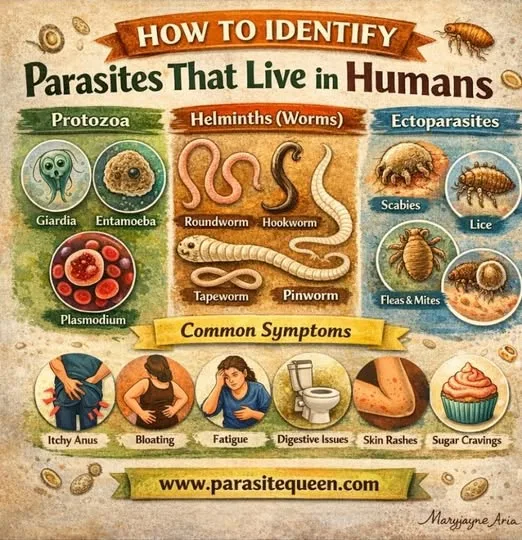
Contaminated blood transfer is more than possible because no blood system can reduce the risk of infection to zero, even in America where safety standards are considered high. A number of patients still receive bacterial, viral, or parasitic infections from transfusions for several reasons:
1. Window period of infection
When a person is newly infected with a virus like HIV or hepatitis C or receiving an MRNA vaccine there is a period before the infection shows up on tests. If someone donates blood during this time, the infection can and are missed.
2. Rare pathogens not always screened
Blood banks test for HIV, hepatitis B, hepatitis C, syphilis, West Nile virus, and a few others. Not every possible virus or parasite has a routine test. For example, Babesia, a tick-borne parasite, was not screened in many states until recently. Some Blood banks have started screening but not not all.
3. Bacterial contamination of platelets
Platelets must be stored at room temperature. This allows bacteria to grow more easily than in refrigerated blood. If even a tiny contamination happens during collection or storage, it can spread.
4. Limits of testing technology
Even the most advanced tests, such as nucleic acid testing, can sometimes miss very small amounts of infection. Some pathogens also change quickly, making them harder to detect.
5. Human and logistical factors
Mistakes are classed as rare but do occur in labeling, processing, or handling of blood products.
More secure protocols are needed when handling blood. There is also a need for more intelligent screening of blood to ensure its safety. Nagalase testing is one option. This option of testing should be utalised as an early detection of unhealthy blood.
Written by Maryjayne Aria
For more health insights join me on in my groups