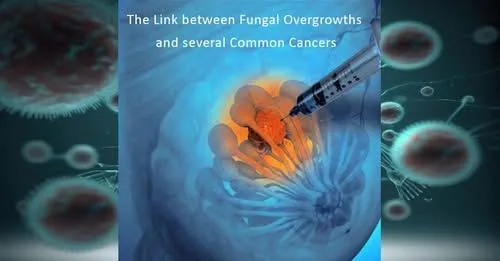
A growing body of research suggests that fungal overgrowth may play a more significant role in cancer development than previously believed. Emerging evidence indicates that fungal imbalances in the body may be associated with certain cancers, including those of the breast, prostate, ovaries, testes, cervix, and in some cases, the lungs where mould exposure has occurred. Though often overlooked, this connection offers an important perspective on how restoring microbial balance can support immune health and resilience.
How the Immune System Responds to Fungal Threats:
T cells, the sentinels of the immune system, continuously monitor for fungal invaders. When they identify a fungal threat, they contain it by surrounding the growth in protective tissue, isolating it until the body can safely remove it. This is a normal and ongoing defence process. However, when fungal overgrowth becomes excessive, especially in the presence of chronic immune stress or parasitic burden, the body’s ability to maintain balance can weaken.
Written by Maryjayne Aria