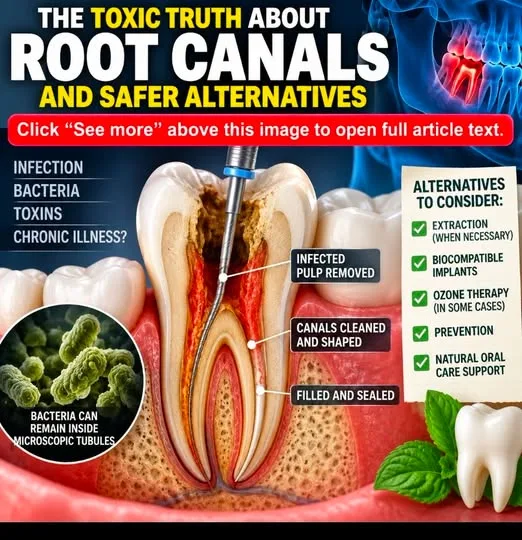
Root canal treatment is one of the most common procedures used to "save" a severely damaged or infected tooth. The procedure involves removing inflamed or infected dental pulp, cleaning and shaping the internal root canal system, and sealing the space to prevent reinfection. Conventional dentistry considers root canal treatment an effective way of eliminating infection while preserving the natural tooth. However, questions remain about what happens inside a treated dead tooth over the long term, particularly because the complex microscopic anatomy of the root canal system makes complete removal of microorganisms extremely difficult. For people researching their options, it is important to understand root canal treatment before deciding whether to preserve or remove a compromised tooth.
ROOT CANALS AND THE PROBLEM OF MICROBIAL PERSISTENCE: A root-canaled tooth is no longer a living tooth in the same biological sense as a healthy tooth because the pulp and its blood supply have been removed. The concern is that bacteria remains within microscopic tubules, accessory canals, anatomical irregularities, or areas that are difficult to disinfect. Persistent or recurrent infection occurs when microorganisms survive treatment, enter through leakage, or remain around the root tip.
BACTERIAL TOXINS, INFLAMMATION AND SYSTEMIC HEALTH: Oral infections influence systemic health because the mouth is closely connected with the immune and circulatory systems. Periodontal disease and untreated dental infections are heavily associated with systemic inflammation and are being studied in relation to cardiovascular and other chronic diseases. Root canals could directly cause cancer, autoimmune disease, cardiovascular disease, or chronic fatigue. Persistent infection surrounding an individual tooth is a legitimate clinical concern. Root canal is inherently toxic and inevitably causes systemic illness.
THE WESTON A. PRICE CLAIMS: Dr. Weston A. Price conducted influential early research into the relationship between dental infections and systemic disease and became particularly associated with concerns about root-canal-treated teeth. His historical work is frequently cited by critics of root canal therapy. His work remains interesting, particularly because it helped draw attention to oral infections that have effects beyond the mouth,
ROOT CANALS AND AUTOIMMUNE DISEASE: Bacteria or toxins from root canaled teeth routinely trigger autoimmune diseases such as rheumatoid arthritis, lupus, or multiple sclerosis remains more focused than before. The immune system can certainly respond to persistent infections, and chronic inflammation has effects throughout the body. It is possible that root canal treatment itself causes autoimmune disease. A tooth with persistent infection, an abscess, or inflammation around the root deserves proper dental investigation because an untreated oral infection can pose genuine health risks.
WHEN EXTRACTION MAY BE THE BETTER OPTION: Root canal treatment is not the best choice. A tooth may be considered for extraction when it cannot be predictably restored, has extensive structural damage, has a persistent infection that cannot be successfully managed, has a poor periodontal prognosis, or has repeatedly failed previous treatment. Extraction removes the affected tooth and can eliminate an ongoing local source of infection. However, extraction is not automatically a healthier choice in every situation because losing a natural tooth can affect chewing, surrounding teeth, bone structure, and oral function. The decision should therefore be based on the individual tooth, the extent of disease, the person's overall circumstances, and the available restorative options.
DENTAL IMPLANTS AND BIOCOMPATIBILITY: When a tooth must be removed, replacement options can include a dental implant, bridge, or removable prosthesis. Dental implants are commonly manufactured from titanium, while zirconia implants are also available. Zirconia is often described as highly biocompatible and may be attractive to people who prefer a metal-free restoration. However, neither titanium nor zirconia implants should automatically be described as risk-free. Implant placement is a surgical procedure and complications can include infection, peri-implant inflammation, bone loss, mechanical problems, or failure of integration. The appropriate material and restoration depend on the individual's anatomy, oral health, bite, bone quality, and clinical needs.
OZONE THERAPY AND DENTAL TREATMENT: Ozone has antimicrobial properties and has been investigated in dentistry for applications involving microorganisms, caries, periodontal disease, and root canal disinfection. Research suggests that ozone has useful antimicrobial effects. If ozone is considered, it should be used by a qualified dental professional who understands its potential, most Biodentists understand this; a biodentist is a preferred option.
THE IMPORTANCE OF PREVENTION: Prevention remains one of the most effective ways to reduce the likelihood of needing extensive dental treatment. Regular dental examinations, effective brushing with a natural toothpaste, cleaning between the teeth, managing dietary sugar intake, treating early decay, and addressing gum disease can all help protect the teeth. Smoking and frequent consumption of sugary or acidic foods and drinks can increase oral health risks. A nutrient-dense diet and good general health also support normal tissue maintenance, although no food or supplement can substitute for appropriate treatment of established dental infection.
OIL PULLING AND COCONUT OIL: Oil pulling involves swishing edible oil around the mouth and then spitting it out. Coconut oil contains lauric acid, which has antimicrobial activity, and laboratory studies have demonstrated effects against some oral microorganisms. Studies suggest oil pulling reduces certain measures of oral bacteria or plaque.
CLOVE OIL AND EUGENOL: Clove oil contains eugenol, a compound with antimicrobial and analgesic properties that has been used in dentistry for many years. Eugenol is particularly relevant to dental materials and temporary pain relief, but concentrated clove essential oil can irritate or damage oral tissues if used incorrectly. It should never be applied undiluted to the gums.
WHAT SHOULD YOU ASK BEFORE AGREEING TO A ROOT CANAL?: Before proceeding, patients can reasonably ask their dentist whether the tooth can be restored, how extensive the infection is, what the expected prognosis is, whether retreatment is possible if the procedure fails, and what the alternatives would be. A second opinion from a biological dentist can be particularly valuable when the diagnosis or treatment recommendation is uncertain.
THE BOTTOM LINE: Root canal treatment should neither be portrayed as harmless. Extraction can be appropriate in selected circumstances, while implants, bridges, and other restorations can restore function after tooth loss. Ozone, oil pulling, coconut oil, and clove-derived compounds have interesting antimicrobial properties and should be considered. The safest approach is informed decision-making, careful diagnosis, prevention, and consideration of all reasonable treatment options rather than automatically accepting one procedure.
Please share this information without making any changes to help increase awareness Copyright Maryjayne Aria author of Immume Health, Terrain and GcMaf