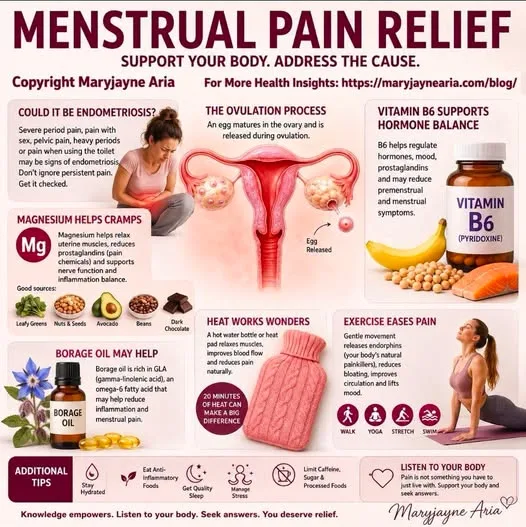
Menstrual pain, medically known as dysmenorrhoea, affects many women and can range from mild discomfort to severe pain that interferes with work, sleep, mobility and daily life. Although menstrual cramps are common, severe or progressively worsening pain should not automatically be dismissed as “normal”. In some cases, significant menstrual pain may be a sign of an underlying condition, including endometriosis.
Why Menstrual Cramps Occur: During menstruation, the uterus contracts to help shed its lining. Chemicals called prostaglandins stimulate these contractions. Higher levels of prostaglandins can cause stronger uterine contractions, inflammation, reduced blood flow to the uterine muscle and more intense pain. Cramps may also be accompanied by lower back pain, nausea, diarrhoea, headaches, fatigue and weakness.
Could Severe Menstrual Pain Be Endometriosis? Endometriosis is a condition in which tissue similar to the lining of the uterus grows outside the uterus. This tissue can respond to hormonal changes and contribute to inflammation, irritation, scarring and adhesions. One of the most common symptoms is painful menstruation, although the severity of pain does not always reflect the extent of the condition.
Symptoms that may warrant further investigation include very severe menstrual pain, pain that worsens over time, pelvic pain outside menstruation, pain during or after sexual intercourse, painful bowel movements or urination during menstruation, unusually heavy periods, infertility, persistent lower abdominal pain or menstrual pain that does not respond adequately to usual treatments. Endometriosis is not the only possible cause of severe pelvic pain, so proper medical assessment is important.
Magnesium May Help Menstrual Cramps: Magnesium plays an important role in normal muscle and nerve function. Because menstrual cramps involve strong contractions of the smooth muscle of the uterus, adequate magnesium status may help support normal muscle relaxation. Magnesium is also involved in nerve signalling, energy production and regulation of inflammatory processes.
Research suggests magnesium supplementation help reduce the severity of dysmenorrhoea in some women. It may help by reducing excessive muscle contraction and influencing prostaglandin-related processes. Magnesium rich foods include leafy green vegetables, nuts, seeds, beans and whole foods such as avocado. Magnesium supplements are also available, although the appropriate form and dose can vary between individuals.
Vitamin B6 Can Provide Additional Support: Vitamin B6 is involved in neurotransmitter production, hormone metabolism and numerous metabolic processes. It is sometimes included alongside magnesium because the two nutrients have complementary roles in nervous system and cellular function.
Some women find that correcting nutritional deficiencies and ensuring adequate intake of magnesium and vitamin B6 helps improve symptoms associated with the menstrual cycle. However, very high doses of vitamin B6 should not be taken long term without appropriate guidance, as excessive intake can cause nerve damage.
Borage Oil and Menstrual Symptoms: Borage oil is a source of gamma-linolenic acid, commonly known as GLA. GLA is an omega-6 fatty acid that can be converted into compounds involved in inflammatory signalling. Because inflammation and prostaglandin activity play a role in menstrual symptoms, borage oil is sometimes used as a nutritional approach for menstrual discomfort and premenstrual symptoms.
Why a Hot Water Bottle Can Help: Heat is one of the simplest and most accessible ways to relieve menstrual cramps. Applying a hot water bottle or heat pad to the lower abdomen may help relax muscles, increase local blood flow and reduce the sensation of pain.
Research has found that heat therapy can be helpful for primary dysmenorrhoea, and many women experience meaningful relief from consistent, comfortable warmth. The heat should be warm rather than excessively hot to avoid burns or skin damage.
Exercise Can Help Reduce Cramps: Although exercise may be the last thing a woman feels like doing during painful menstruation, gentle movement can help some people. Walking, stretching, yoga, swimming and other moderate forms of activity may support circulation, reduce muscle tension and stimulate the release of endorphins, the body's natural pain relieving chemicals. Exercise does not need to be intense. Even gentle movement may be more helpful than remaining completely inactive for long periods. The best approach is often to listen to the body and choose movement that feels manageable rather than forcing strenuous exercise during severe pain.
A Practical Approach to Menstrual Pain: Supporting menstrual health may include adequate nutrition, sufficient magnesium and vitamin B6 intake, consideration of appropriate fatty acids, gentle exercise, hydration, adequate sleep and the use of heat therapy. However, lifestyle measures should not replace investigation when pain is severe, disabling or changing over time.
Do Not Ignore Severe Pain: Menstruation can cause discomfort, but being unable to function normally every month should not simply be accepted without question. Severe menstrual pain can have several possible causes, including endometriosis, adenomyosis, fibroids, pelvic inflammatory disease and other gynaecological conditions. Identifying the underlying cause is important because treatment and management depend on what is actually producing the pain.
Understanding menstrual pain means recognising both sides of the issue: cramps can often be supported with simple measures such as magnesium, adequate vitamin B6, borage oil, heat and gentle exercise, but persistent or severe pain deserves proper investigation rather than being repeatedly dismissed as “just a bad period”.
Please feel free to share this article to help others become more informed about menstrual and reproductive health.