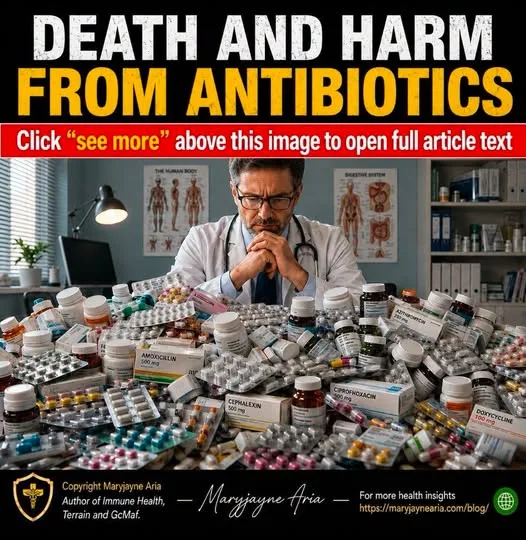
THE DISCOVERY OF PENICILLIN AND SIR ALEXANDER FLEMING: Antibiotics are among the most important discoveries in modern medicine and I am not denying that they have saved lives from bacterial infections that were once frequently fatal. Their history is closely connected with Scottish physician and microbiologist Sir Alexander Fleming, who discovered penicillin in 1928. Fleming did not invent antibiotics as a whole, because antimicrobial substances existed in nature and other scientists contributed to the development of antibacterial medicines. However, his discovery of penicillin changed the course of medical history and led to the development of the first widely used modern antibiotic. Fleming noticed that a mould called Penicillium had contaminated one of his bacterial culture plates and that the bacteria surrounding the mould were unable to grow. He investigated the antibacterial substance produced by the mould, which became known as penicillin. Later, Howard Florey and Ernst Boris Chain played essential roles in developing penicillin into a treatment that could be produced and used on a large scale. Fleming, Florey, and Chain were awarded the Nobel Prize in Physiology or Medicine in 1945 for their contributions to the discovery and development of penicillin. Penicillin transformed medicine and dramatically improved survival from bacterial infections. However they were NEVER MEANT TO BE GIVEN LIKE CANDY.
Before antibiotics became widely available, infections that are now routinely treated could lead to severe complications or death. However, Fleming also understood that these powerful medicines could lose their effectiveness if used improperly as they often are today. . He warned that inadequate exposure to penicillin allows bacteria to survive and contribute to the development of resistance. Nearly a century later, his warning remains highly relevant but practitions often ignore this. Antibiotic resistance has become one of the major challenges facing modern medicine, while unnecessary and inappropriate prescribing continues to expose millions of people to antibiotics and their potential consequences. This is terrible and HARMFUL.
HOW MANY ANTIBIOTICS ARE PRESCRIBED IN AMERICA?: The scale of antibiotic use in the United States is enormous. According to recent U.S. Centers for Disease Control and Prevention data, approximately 255.9 million oral antibiotic prescriptions were dispensed through U.S. retail pharmacies in 2024, However, I believe the true figures are more than double. The CDC figure represents approximately 752 antibiotic prescriptions for every 1,000 people in the population. These figures relate primarily to outpatient oral antibiotics dispensed through retail pharmacies and do not include every antibiotic administered in hospitals, emergency departments, infusion settings, federal healthcare facilities, or other clinical environments. The total exposure to antibiotics in the United States is therefore greater than this outpatient prescription figure alone suggests. A substantial proportion of antibiotic use occurs outside hospitals, including doctors' offices, clinics, urgent care centres, and other community healthcare settings. This is important because many infections treated in these environments involve respiratory symptoms, throat infections, sinus symptoms, ear complaints, urinary symptoms, and other conditions where determining whether bacteria are actually responsible can sometimes be difficult. Antibiotics can be essential when a bacterial infection requires treatment, but they have no effect against viruses. They do NOT treat the common cold, influenza, or most viral respiratory infections. Nevertheless, antibiotics are more often than not prescribed when a bacterial infection has not been confirmed or is considered unlikely. Plants, herbs and natural products that have the ability to work are never suggested. Throughout medical school, they are not even mentioned, this calls for change.
HOW MANY ANTIBIOTIC PRESCRIPTIONS MAY BE UNNECESSARY?: The U.S. Centers for Disease Control and Prevention has estimated that at least 28% of antibiotics prescribed in outpatient settings are unnecessary but the reality is upto 85%. If the minimum estimate of 28% unnecessary prescribing is applied to approximately 255.9 million outpatient oral antibiotic prescriptions dispensed in the United States in 2024, this represents approximately 71.7 million unnecessary antibiotic prescriptions. This calculation is an extraordinary number of potentially avoidable antibiotic exposures. Every unnecessary course of antibiotics can expose a person to side effects, disrupt beneficial bacteria, and contribute to selection pressure favouring antibiotic-resistant organisms.
ARE ANTIBIOTICS SOMETIMES GIVEN AS A PRECAUTION?: Yes. Antibiotics are often prescribed empirically, meaning treatment is started based on symptoms, physical examination, medical history, risk factors, and the probability of bacterial infection rather than waiting for laboratory confirmation of the exact organism. Empirical prescribing is more often than not medically inappropriate and, in some circumstances, potentially dangerous. I am not doubting that a person with suspected sepsis, bacterial meningitis, severe pneumonia, or another rapidly progressing infection may need immediate treatment because delaying antibiotics while waiting for laboratory results could be dangerous or life-threatening. However, empirical prescribing has become out of hand and problematic when antibiotics are used as a precaution for illnesses that are unlikely to be bacterial or when treatment continues despite evidence suggesting that antibiotics are not needed. Many people are familiar with receiving an antibiotic prescription for a cough, sore throat, sinus symptoms, fever, or respiratory illness even though these symptoms can have viral or non-bacterial causes. Symptoms alone do not identify the cause of an infection. This is why appropriate clinical assessment and diagnostic testing, when indicated, are important parts of responsible antibiotic use.
HOW OFTEN ARE CULTURES DONE BEFORE ANTIBIOTICS ARE PRESCRIBED?: it is shocking that there is no single national percentage that accurately states how often every antibiotic prescription in the United States is written without a culture. This is said to be partly because cultures are not required, practical, or medically appropriate for every suspected bacterial infection. It is claimed that some infections can be treated according to well-established clinical guidelines, some conditions do not have a practical culture available, and laboratory testing can take time. In serious infections, healthcare professionals may need to begin treatment before laboratory results are available. However, cultures and antimicrobial susceptibility testing is extremely valuable when they are clinically appropriate. A culture may help establish whether a bacterial organism is present and identify the organism responsible. Susceptibility testing can then help determine which antibiotics are likely to be effective and which antibiotics the organism may resist. Without this information, prescribing is based ONLY on the probability of the most likely organism and local patterns of antibiotic resistance. This approach is medically inappropriate in a majority of circumstances, it also results in a person receiving an antibiotic that is unnecessary, ineffective against the organism involved, broader than necessary, or more disruptive to beneficial bacteria than a targeted alternative might have been. The absence of a culture before prescribing I automatically interprete as poor medical practice. The real concerns arises when antibiotics are routinely used without adequate evidence that a bacterial infection is present, or when treatment is not reviewed and adjusted when diagnostic information becomes available. Identifying the organism and its antibiotic susceptibility would help healthcare professionals use more targeted treatment and reduce unnecessary exposure to broad-spectrum antibiotics.
WHAT DOES ANTIBIOTIC RESISTANCE REALLY MEAN?: Antibiotic resistance occurs when bacteria evolve or acquire mechanisms that allow them to survive exposure to antibiotics that would previously have killed them or prevented their growth. A person can, however, become infected or colonised with antibiotic-resistant bacteria. This is important because there is no scientifically accurate single percentage showing how many Americans are personally "antibiotic resistant." Resistance is measured in microorganisms, and the percentage of resistance varies greatly depending on the bacterial species, the antibiotic being tested, geographical location, healthcare setting, previous antibiotic exposure, and type of infection. The CDC estimates that more than 2.8 million but the true figure could be more than double, antimicrobial-resistant infections occur in the United States every year, with more than 35,000 associated recorded deaths in its national burden estimates.
HOW DOES ANTIBIOTIC USE CONTRIBUTE TO RESISTANCE?: When bacteria are exposed to antibiotics, susceptible bacteria may be killed or inhibited while bacteria carrying resistance mechanisms may survive. Those surviving bacteria then multiply, increasing the proportion of resistant bacteria. Bacteria can also exchange genetic material containing resistance mechanisms with other bacteria. This is just one of the reasons unnecessary antibiotic prescribing is a serious public health concern. The goal is not to avoid antibiotics when they are absolutely medically necessary. Antibiotics remain important and can be lifesaving. The goal is to avoid unnecessary exposure and, when treatment is required, to use the most appropriate antibiotic at the correct dose for the appropriate duration. Using an antibiotic that is unnecessarily broad-spectrum exposes a wider range of beneficial bacteria to the drug and create greater selection pressure than a more targeted antibiotic when such an alternative is clinically suitable.
COMMON SHORT-TERM SIDE EFFECTS OF ANTIBIOTICS: Like all medicines, antibiotics cause side effects. The likelihood and severity of side effects depend on the specific antibiotic, the dose, duration of treatment, a person's age, other medicines being taken, kidney and liver function, allergies, and underlying health conditions. Common side effects can include nausea, vomiting, diarrhoea, abdominal discomfort, bloating, indigestion, loss of appetite, headache, dizziness, and changes in taste. Some antibiotics increase sensitivity to sunlight, while others cause specific effects related to their chemical class. Diarrhoea is one of the most common side effects because antibiotics can alter the normal bacterial populations in the digestive system.
ALLERGIC REACTIONS AND SERIOUS SIDE EFFECTS: Many people experience allergic reactions to antibiotics. Symptoms can range from mild skin reactions to serious and life-threatening allergic reactions, allergy tests are NEVER taken before prescribing, This is a huge concern. Warning signs that require urgent medical attention can include difficulty breathing, wheezing, swelling of the face, lips, tongue, or throat, widespread hives, fainting, or rapidly progressing symptoms. Different classes of antibiotics can also have different bery serious risks. Depending on the specific medication, possible adverse effects can include effects on the liver, kidneys, hearing, nerves, blood cells, heart rhythm, muscles, tendons, or the central nervous system. Certain antibiotics can interact with other medicines and may increase or decrease the effects of those medicines. This is why it is important for prescribers and pharmacists to know about all medications, supplements, allergies, and relevant health conditions before treatment begins. The safety profile depends on the particular medicine. A person who has been prescribed an antibiotic should understand the specific risks associated with that drug and seek medical advice if unexpected or serious symptoms develop.
THE GUT MICROBIOME: THE COLLATERAL DAMAGE OF ANTIBIOTICS: One of the most important consequences of antibiotic use is its effect on the gut microbiome. The digestive system contains a vast and complex ecosystem of microorganisms, including bacteria, fungi, viruses, and other microscopic organisms. Many of these organisms perform important functions. Beneficial bacteria help process components of food, interact with the immune system, contribute to metabolic processes, and help provide what scientists call colonisation resistance. Colonisation resistance refers to the ability of beneficial microorganisms to help prevent potentially harmful organisms from becoming dominant. Antibiotics are designed to kill or inhibit bacteria, but they cannot distinguish perfectly between bacteria causing an infection and beneficial bacteria living elsewhere in the body. Broad-spectrum antibiotics affect a particularly wide range of bacterial species. This persistently alters the composition and diversity of the gut microbiome.
C. DIFFICILE: WHEN ANTIBIOTICS CREATE AN OPPORTUNITY FOR ANOTHER INFECTION: One of the clearest examples of antibiotic-associated disruption of the gut microbiome is Clostridioides difficile, commonly called C. difficile or C. diff. This bacterium causes diarrhoea and inflammation of the colon, and severe cases can become life-threatening. Antibiotics can reduce protective bacterial populations in the gut, allowing C. difficile to grow more easily in many individuals. This demonstrates an important principle about antibiotic treatment. An antibiotic may successfully target the bacteria responsible for one infection while simultaneously changing the microbial environment in ways that create an opportunity for another organism to become dominant.
INFORMED CONSENT: Patients should have the opportunity to understand the purpose of antibiotic treatment, the evidence supporting its use for their particular suspected or confirmed infection, potential benefits, possible short-term and long-term risks, alternatives and the consequences of choosing not to proceed. Understanding whether an infection is confirmed or suspected to be bacterial, whether diagnostic testing, cultures, or antimicrobial susceptibility testing could help guide treatment, and whether immediate empirical treatment is necessary can help patients and families ask more informed questions. Patients should also understand the potential side effects associated with the specific antibiotic being recommended, including digestive effects, allergic reactions, medication interactions, disruption of beneficial gut bacteria, and any serious risks associated.
This article is for educational and research purposes and is not a substitute for individual medical diagnosis or treatment.
Please share this information without making any changes to help increase awareness of the importance of proper diagnosis for suspected parasitic infections.